
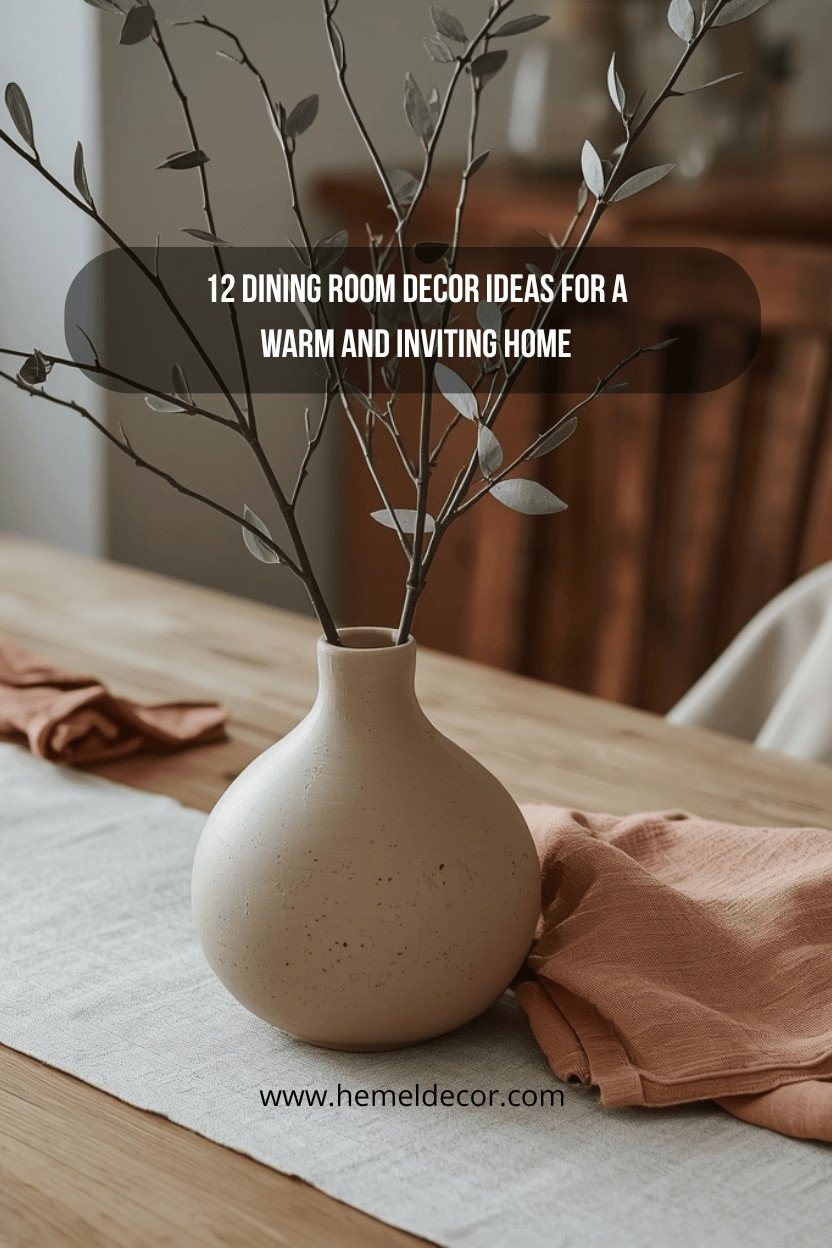
12 Dining Room Decor Ideas for a Warm and Inviting Home
A dining room does not need expensive furniture or a complicated makeover to feel special. The right combination of furniture, lighting, color, texture, and decorative details can completely change the atmosphere of the space.
Whether your dining area is large and separate or simply occupies one corner of an open-plan home, thoughtful styling can make it feel warmer and more welcoming.
From natural wood and comfortable chairs to artwork, greenery, and layered lighting, these dining room decor ideas can help you create a space that feels beautiful enough for guests while still being comfortable for everyday meals.
Warm Up the Dining Room With Natural Wood
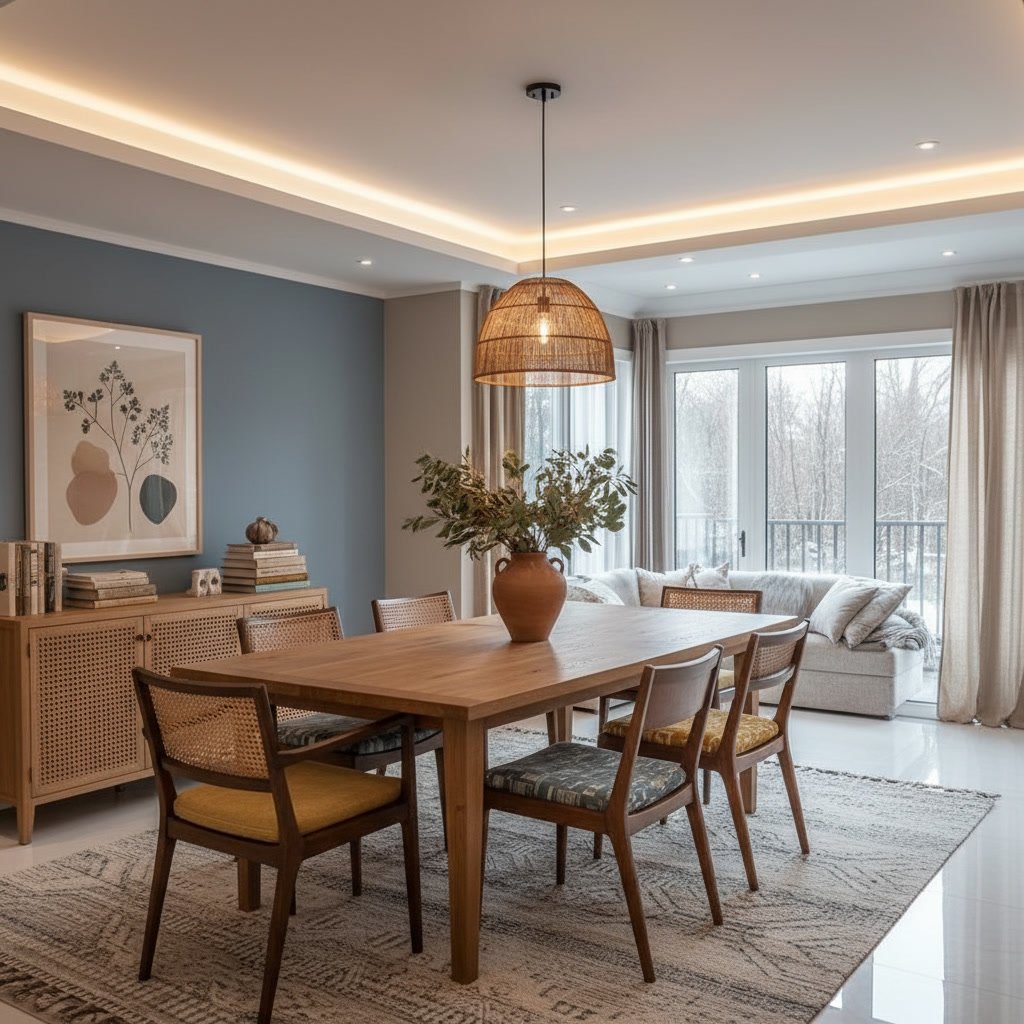
Natural wood is one of the easiest ways to make a dining room feel warm and inviting. Its organic grain and natural variation add character without requiring much decoration.
A wooden dining table can become the foundation of the entire room, especially when paired with lighter walls and softer decorative elements.
Choose Warm Wood Tones
Oak, walnut, and other warm wood finishes can bring depth to a dining room. You do not need every piece of furniture to match perfectly.
In fact, mixing different wood tones can make the room feel more relaxed and collected.
Mix Wood With Other Materials
Balance wooden furniture with materials such as linen, ceramic, woven fibers, or metal.
For example, a warm wood dining table can look beautiful with upholstered chairs, a woven pendant light, and a ceramic centerpiece.
Let the Wood Remain Visible
Avoid covering every surface with decorative objects. Allowing the natural wood grain to remain visible gives the room a calmer and more sophisticated appearance.
Choose a Dining Table That Sets the Mood
The dining table is naturally one of the most important visual elements in the room. Its shape and material can influence how the entire space feels.
A simple table can work especially well when the surrounding decor provides personality.
Try a Round Dining Table
A round table can make a dining room feel more intimate and conversational. It can also work well in smaller spaces because there are no sharp corners competing with the surrounding walkway.
Consider an Organic Table Shape
Tables with softly curved edges or slightly irregular forms can make a room feel less formal.
This works particularly well with modern organic, contemporary, or relaxed interior styles.
Keep the Table Proportional
Choose a table that leaves enough space around the chairs for comfortable movement.
A beautiful table can still make the room feel cramped if it dominates the available floor space.
Add Comfortable and Characterful Dining Chairs
Dining chairs are an opportunity to introduce color, texture, and personality.
Instead of choosing chairs simply because they match the table, consider how their material and shape contribute to the overall atmosphere.
Mix Upholstered and Wooden Elements
Upholstered chairs can soften a room dominated by hard surfaces. Linen or textured fabric can also introduce a relaxed, comfortable feeling.
Experiment With Color
You can use dining chairs to introduce a muted accent color such as sage green, dusty blue, terracotta, or warm mustard.
A subtle color difference can make a neutral dining room feel much more interesting.
Prioritize Comfort
A dining room should look beautiful, but it should also be comfortable enough for long dinners and conversations.
Choose chairs with supportive proportions and enough space between each seat.
Create a Beautiful Centerpiece Without Overdoing It
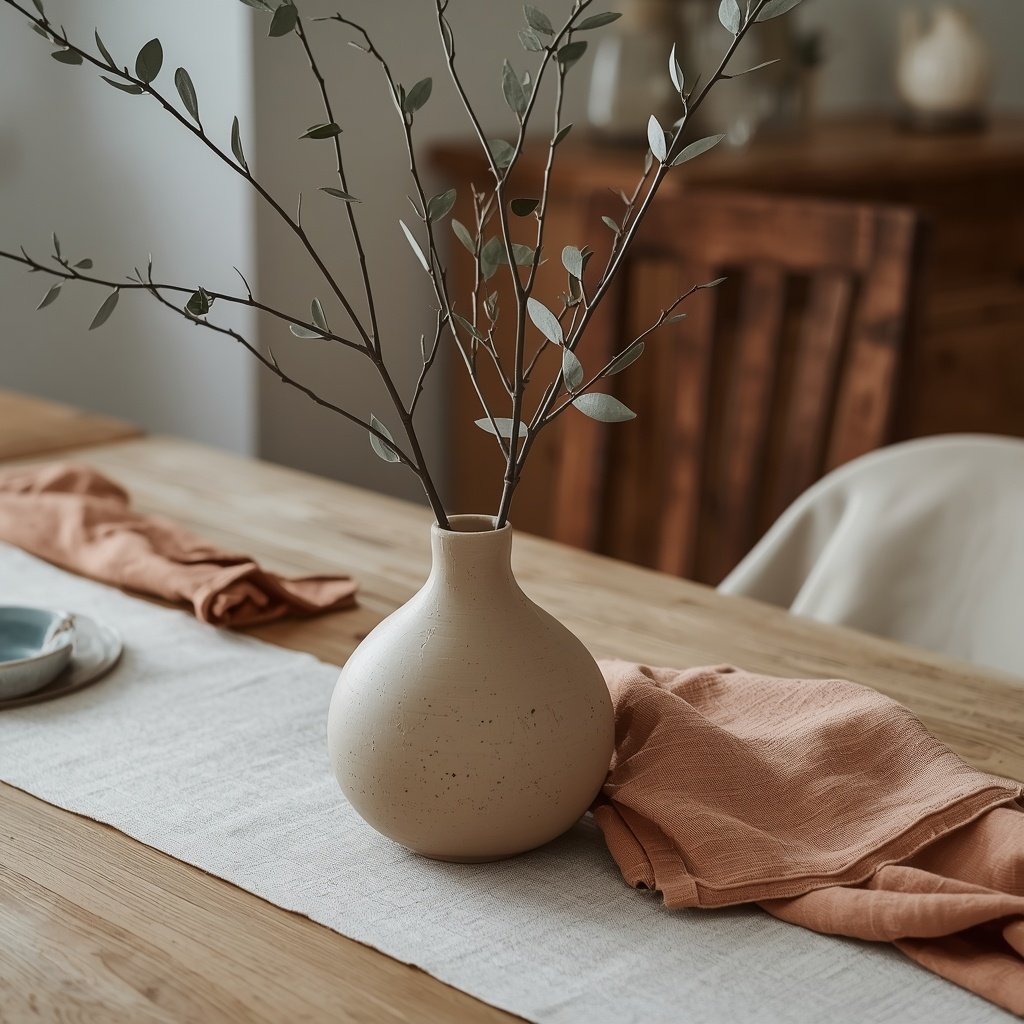
Dining room decor does not need to fill the entire table. A simple centerpiece can often have more impact than a crowded arrangement.
The goal is to create a focal point while keeping the table practical.
Use a Ceramic Vase
A simple ceramic vase filled with branches or seasonal greenery can create an elegant centerpiece.
Choose a shape that complements the dining table rather than competing with it.
Try a Low Arrangement
A low bowl, shallow tray, or small arrangement of decorative objects can work well when you want an unobstructed view across the table.
Create an Everyday Arrangement
Your centerpiece does not have to be reserved for special occasions.
A small vase, sculptural bowl, or carefully arranged group of ceramics can make the dining room feel finished every day.
Use Artwork to Give the Room Personality
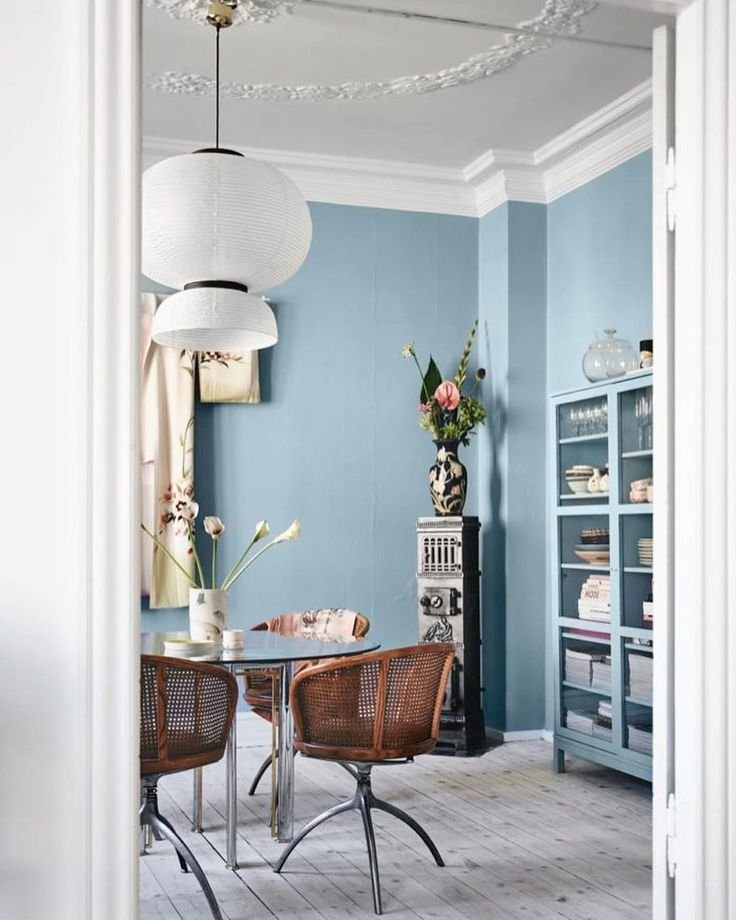
Dining rooms are often overlooked when it comes to wall decor. Artwork can completely change that.
A carefully chosen piece can introduce color, movement, and personality without taking up valuable floor space.
Choose One Large Statement Piece
A large abstract artwork or botanical print can create a strong focal point above a sideboard or behind the dining table.
Look for colors that connect with other elements already present in the room.
Add Smaller Decorative Prints
If you prefer a more collected look, combine two or three smaller pieces.
Try botanical artwork, line drawings, abstract prints, or vintage-inspired pieces.
Connect Artwork With the Room
The best artwork does not necessarily match everything perfectly.
Instead, choose colors that subtly repeat the tones found in the chairs, rug, ceramics, curtains, or other decorative pieces.
Layer the Dining Room With Warm Lighting
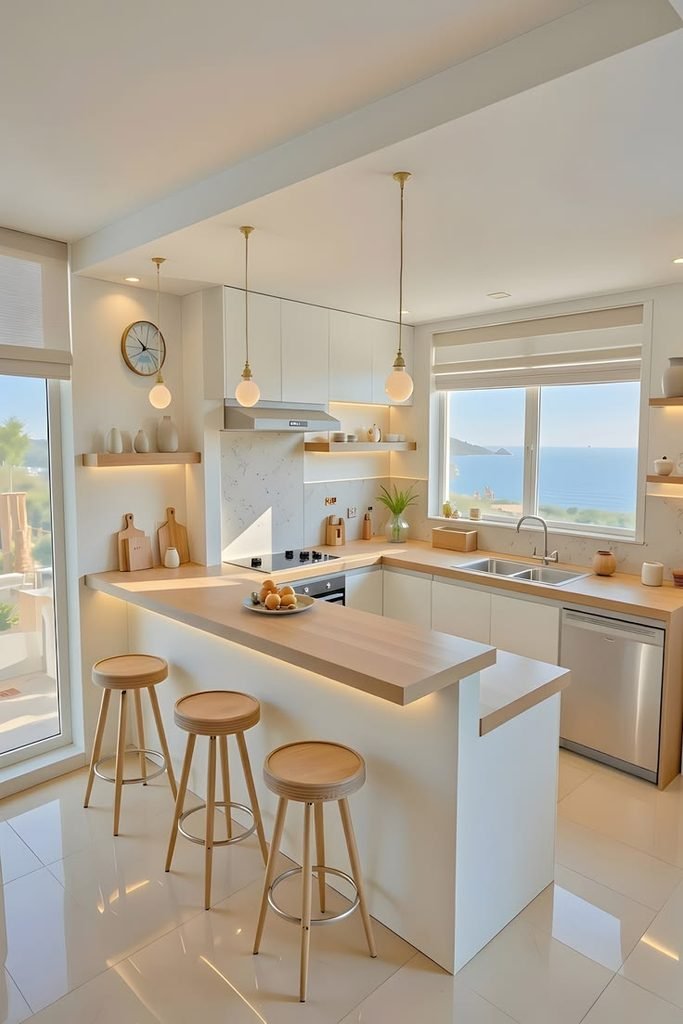
Lighting can dramatically change how a dining room feels, especially in the evening.
Rather than relying on a single ceiling fixture, combine different sources of light to create a softer atmosphere.
Add a Statement Pendant
A pendant light positioned above the dining table can act as both lighting and decoration.
Choose a shape and material that complement the table and chairs.
Use Warm Light
Warm lighting can make wood, textiles, and earthy colors feel richer.
A warm-toned bulb is particularly effective during dinner when you want the room to feel relaxed rather than overly bright.
Add Secondary Lighting
If the layout allows, consider a wall light, floor lamp, or nearby table lamp.
Multiple light sources create depth and help prevent darker corners from feeling neglected.
Bring in Color Through Soft Furnishings
Color does not have to come from painted walls or expensive furniture.
Soft furnishings are an easy way to introduce personality while keeping the larger pieces relatively timeless.
Add a Colorful Rug
A patterned or subtly colored rug can define the dining area and introduce visual warmth.
Muted terracotta, dusty blue, sage, or warm beige can work beautifully with natural wood.
Use Linen Curtains
Curtains can soften the architectural lines of a dining room.
Natural linen or linen-look fabrics can add texture while allowing daylight to remain part of the space.
Introduce Color With Small Accents
Napkins, seat cushions, table runners, or decorative objects can provide smaller doses of color.
This makes it easier to change the look of the room without replacing major furniture.
how to change the vibe to be warmer
10 Sage Green Kitchen Ideas for a Warm and Stylish Home
Style a Sideboard or Console With Intention
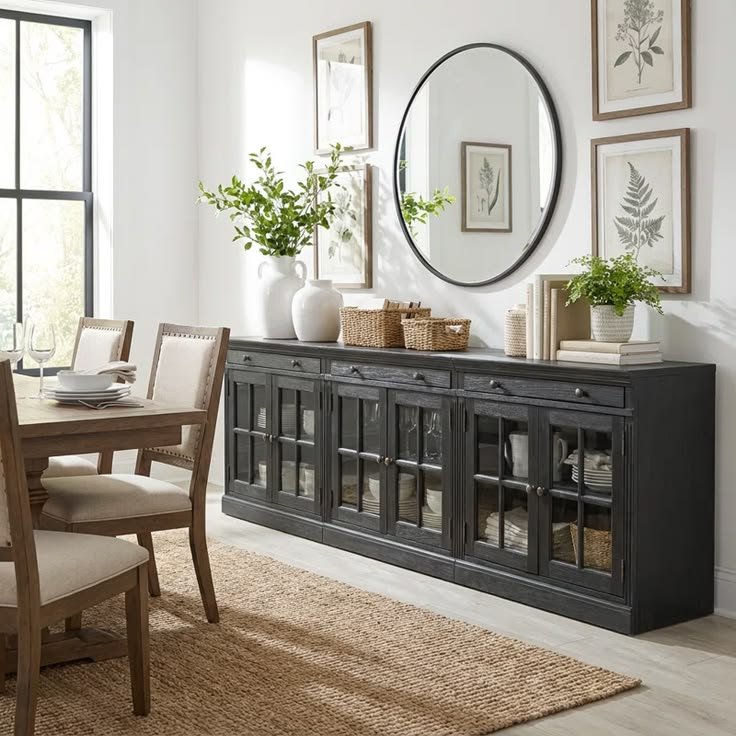
If your dining room has a sideboard, cabinet, or console, treat it as part of the overall decor rather than simply a storage surface.
A few carefully selected objects can make it feel like an intentional display.
Start With One Larger Object
Begin with a large ceramic vase, artwork, lamp, or sculptural object.
This gives the arrangement a visual anchor.
Add Height and Texture
Combine objects at different heights, such as a table lamp beside a smaller vase or a stack of books beneath a decorative object.
This creates a more layered appearance.
Leave Some Empty Space
Do not cover the entire surface.
Leaving negative space between objects makes the arrangement feel calmer and more sophisticated.
Add Natural Greenery for a Fresh Touch
Plants can make a dining room feel more alive and connected to nature.
They also provide an easy way to introduce color without making the space feel overly decorated.
Choose a Statement Plant
A medium or tall plant can fill an empty corner and add height to the room.
Place it where it has enough space to grow naturally rather than squeezing it between furniture.
Use Small Plants on Shelves
Smaller plants can add softness to a sideboard, open shelving, or nearby console.
Choose simple pots in ceramic, terracotta, or natural materials.
Mix Greenery With Decorative Objects
Plants look especially attractive when combined with books, ceramics, artwork, or woven baskets.
The combination feels more collected than using plants alone.
Use Textures to Make the Space Feel Cozy
A dining room can sometimes feel cold because many of its surfaces are hard: wood, glass, metal, and stone.
Adding texture helps balance those materials.
Layer Woven Materials
Woven baskets, rattan details, and natural-fiber accessories can introduce an organic quality.
A woven pendant light is another way to bring texture into the room.
Add Soft Textiles
Linen table runners, fabric curtains, upholstered chairs, and textured cushions can make the room feel more comfortable.
Mix Matte and Smooth Surfaces
Do not use the same finish everywhere.
Combining matte ceramics, polished metal, natural wood, glass, and textured fabrics creates subtle visual contrast.
Also see how to create a cozy atmosphere
10 Budget Friendly Cozy Living Room Ideas
Create a Dining Room Gallery Wall
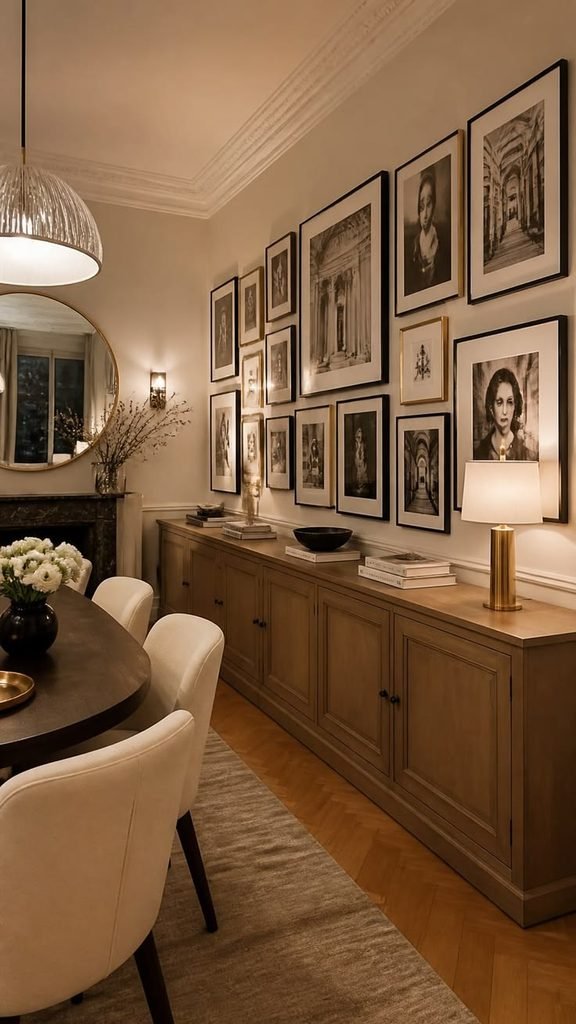
A gallery wall can turn an empty dining room wall into one of the most memorable features of the space.
It is especially useful if the rest of the room uses relatively simple furniture.
Mix Different Artwork Styles
You can combine botanical prints, abstract artwork, photography, sketches, or decorative typography.
Keep some connection between the pieces through color, frame style, or subject matter.
Keep the Layout Balanced
The frames do not need to be perfectly symmetrical.
However, keeping consistent spacing and an overall visual shape will prevent the arrangement from feeling chaotic.
Use the Wall Behind the Dining Table
The wall behind the table is a natural place for artwork because it creates a visual backdrop for the dining area.
Just make sure the artwork is positioned at a comfortable height and does not interfere with chairs.
Add Small Decorative Details That Complete the Room
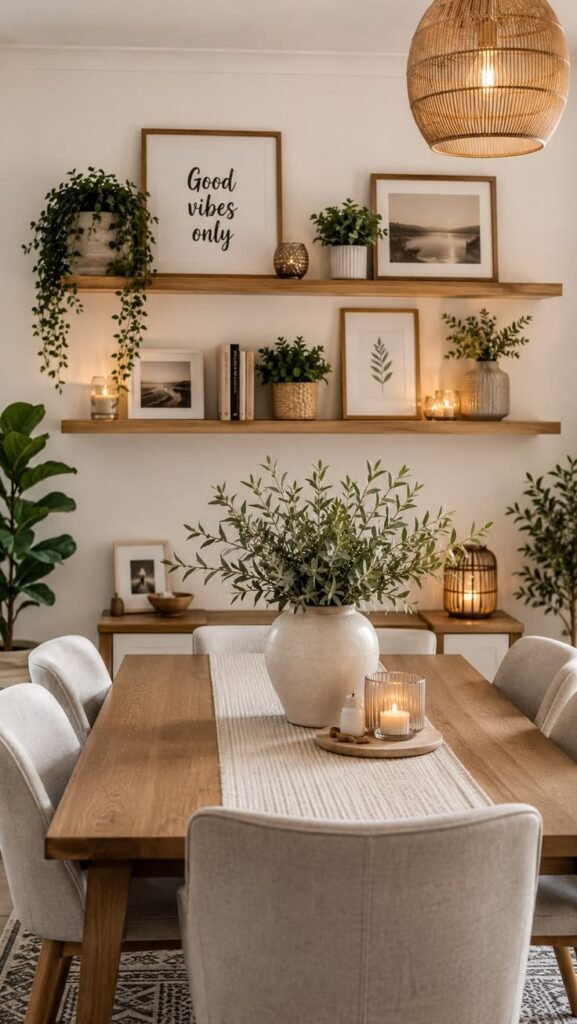
The final layer of dining room styling comes from small details.
These elements may seem insignificant individually, but together they can make the space feel much more personal.
Display Beautiful Ceramics
A handmade-looking bowl, vase, pitcher, or decorative plate can add character to a sideboard or open shelf.
Choose pieces with slightly different shapes rather than buying everything as a matching set.
Add Books and Decorative Objects
A small stack of interior, design, or art books can create height and visual interest.
Place a decorative object on top to make the arrangement feel intentional.
Keep the Decor Edited
More decoration does not automatically make a dining room feel more inviting.
Choose objects that contribute something useful: color, texture, shape, height, or personality.
The goal is to create a room that feels lived-in without becoming visually crowded.
Conclusion
Creating a warm dining room is less about buying more decor and more about combining the right elements thoughtfully.
Natural wood can provide warmth, artwork can add personality, and layered lighting can completely change the evening atmosphere. Soft furnishings, greenery, ceramics, and textured materials can then add the smaller details that make the room feel comfortable and welcoming.
Whether you have a spacious dining room or a compact dining area, these dining room decor ideas can help you create a space that feels intentional, personal, and enjoyable to use every day.
Frequently Asked Questions
How can I make my dining room feel more inviting?
Start with warm lighting, comfortable seating, natural materials, and a few personal decorative details. Adding artwork, greenery, and soft textiles can also make the space feel more welcoming.
What colors work well in a warm dining room?
Warm neutrals, terracotta, sage green, dusty blue, muted mustard, and soft earthy tones can all create a welcoming atmosphere. Choose one or two accent colors and repeat them throughout the room.
How should I decorate a dining room table?
Keep the centerpiece simple and proportional to the table. A ceramic vase, low bowl, small arrangement of greenery, or decorative tray can work well without making the table feel crowded.
How can I decorate a small dining room?
Choose furniture that fits the available space, keep the walkway clear, and use vertical wall decor to add personality without taking up floor space. A round table can also work well in a compact dining area.
More Kitchen & Dining Room Ideas
Looking for more ways to make your home feel warm, comfortable, and thoughtfully decorated? Explore more HemelDecor ideas for creating beautiful spaces throughout your home.



2 Comments